Best time to ski in Austria: a month-by-month guide (2026/27)
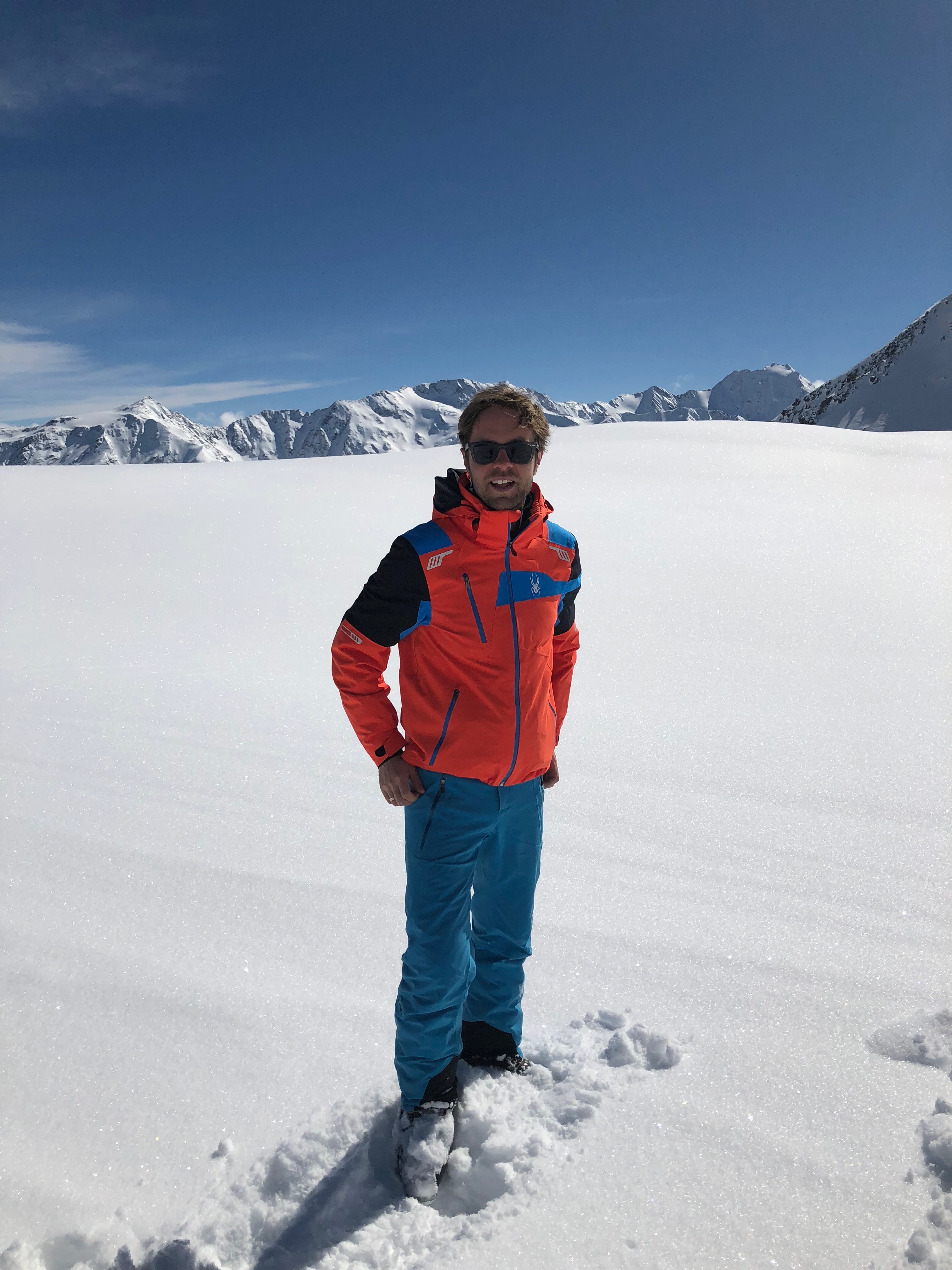


Lucas has skied Austria in every month of the season.
His honest verdict for each month — including when he would go and when he would stay home — is below.
Austria is Europe's most reliable ski destination, but not every week of the season is equal. If you book in the wrong month, you will pay peak prices for icy slopes and long lift queues. Book at the right time and you will find pristine powder, empty pistes, and accommodation at 30% less than high season rates.
This guide breaks down every month of Austria's ski season, tells you exactly what to expect and helps you decide when to go based on what matters most to you: snow quality, price, or crowd levels.
Quick answer: when is the best time to ski in Austria?
If you just need a fast answer:
- Best snow conditions: January and February
- Best value for money: early December and late March
- Least crowded: November, early December, and late March
- Best for beginners: January (after school holidays) or early March
- Best for families: early January or late February (avoiding school holiday peaks)
- Best for advanced skiers: January and February for off-piste, November for glacier skiing
For everyone else — read on.
Austria's ski season: the overview
Austria's main ski season runs from late November to mid-April, though high-altitude resorts and glaciers this extend significantly on both ends. The exact opening dates vary by resort and by how much snow falls in autumn.
Here is what the full season looks like at a glance:
| Period | Snow Quality | Crowd Level | Price | Best For |
|---|---|---|---|---|
| Mid October - November | Variable (glacier only) | Very low | Low | Advanced skiers, glacier skiing |
| Early December (1-20) | Building | Low | Low-Medium | Budget skiers, beginners |
| Christmas & New Year (20 Dec - 8 Jan) | Good | Very high | Very high | - (avoid unless budget and holiday constraint) |
| January (9-31) | Excellent | Medium | Medium | Best all-round month |
| February (school holidays) | Excellent | Very high | High | Unavoidable for families |
| Late February-early March | Excellent | Medium-Low | Medium | Great balance of quality and value |
| Late March - April | Spring conditions | Low | Low | Spring skiers, budget travellers |
| End of April - 1st week of May | Low | Medium-High | Medium | End of season parties |
October — Glacier season begins
Who this is for: serious skiers who cannot wait and those who want to train on groomed slopes without crowds.
Most Austrian ski resorts are closed in October. The exceptions are the glacier resorts, which open as early as late September or early October:
- Sölden (Ötztal Glacier) — typically opens in late October, sometimes earlier.
- Hintertux Glacier (Zillertal) — open year-round, 365 days per year.
- Stubai Glacier (near Innsbruck) — usually opens in October.
Snow conditions on the glaciers in October are genuinely good; cold temperatures at altitude mean well-groomed, firm snow. But terrain is limited: you are skiing on the glacier itself, not the full resort. Expect 20-30% of a resort's normal piste kilometres to be available.
Prices are low, queues are minimal, and the atmosphere is quiet. For recreational skiers, October is too limited to be worthwhile. For those who want to tune their technique before the main season, it is excellent.
Lucas respects the glaciers. He has stood at the top of the Rettenbach in October and confirmed: the snow is real. But he recommends bringing warm clothing and low expectations for après-ski — the valley is still in autumn.
November — Early season, high altitude only
Who this is for: skiers who prioritise empty slopes over guaranteed coverage and anyone chasing early-season deals.
November is the transition month. Glacier resorts are fully operational. High-altitude resorts begin opening, typically from mid-November onwards:
- Obertauern — often the first major resort to open in Austria, typically mid-November. Its high altitude (1,740–2,350m) and north-facing slopes mean reliable early snow.
- Obergurgl-Hochgurgl — opens mid-November, one of Austria's most snow-sure resorts at 1,800–3,080m.
- Sölden — full resort (not just glacier) opens in November.
- Lech-Zürs — typically opens late November.
Lower-altitude resorts are mostly closed. Kitzbühel, Saalbach and most of the Ski Welt resorts do not open until December.
Snow coverage in November is building but not complete. You may find lower runs are closed or icy, while upper runs are in good condition. Check the snow report for each resort before booking — November conditions vary enormously between years.
Prices are the lowest of the season. Accommodation in mid-November can be 40–50% cheaper than February. If you are flexible on resort choice and prioritise value, November is underrated.
Crowd levels are very low. You will rarely queue for a lift. On weekdays, you may have entire piste segments to yourself.
Lucas is suspicious of anyone who says November skiing is bad. He has skied Obertauern in the third week of November and found 80cm of snow at the top and zero queues. His advice: check the snow report, choose a high-altitude resort, and go. You will not regret it.
Early December (1–20 December) — The hidden sweet spot
Who this is for: skiers who want good conditions, low prices and no crowds. The best-kept secret of the Austrian ski season.
By early December, most major resorts are open. Snow coverage is generally good, especially after a strong November. The atmosphere in the mountain villages is festive: Christmas markets, mulled wine and decorated chalets, but without the Christmas holiday crowds.
Resorts that are reliably open by 1 December:
- Obertauern, Obergurgl, Sölden, Hintertux — all fully operational.
- Lech-Zürs, St. Anton, Ischgl — typically open by late November or first week of December.
- Mayrhofen, Saalbach, Zell am See — usually open by early December, though lower runs may be limited.
What to watch out for: early December can have periods of warm weather, especially in lower-altitude resorts. A warm spell in early December can damage snow coverage dramatically. This is why snow-sure, high-altitude resorts (Obertauern, Obergurgl) are significantly safer bets than lower resorts (Kitzbühel base at 762m, Schladming at 745m) in this period.
Prices are low to medium; typically 25–35% below peak rates. Accommodation availability is excellent.
Crowd levels are low on weekdays and moderate on weekends as local Austrian and German skiers make day trips. Lifts are walk-on for most of the day.
This is Lucas's favourite time to ski. The mountains smell like Christmas, the queues are short, and the Apfelstrudel costs the same as in January. He recommends Obertauern or Obergurgl for guaranteed snow, and booking accommodation in the village itself to walk to the lifts.
Christmas and New Year (20 December – 8 January) — Peak season
Who this is for: families with school-age children who have no other option, and skiers for whom budget is not a concern.
This is the most expensive and most crowded period of the entire season. School holidays across Austria, Germany, the Netherlands and the UK all overlap, filling every resort to capacity.
What to expect:
- Lift queues of 20–45 minutes at popular resorts.
- Accommodation prices at their annual peak — often 50–80% above early December rates.
- Fully open resorts with excellent snow coverage.
- Vibrant atmosphere, excellent facilities, all mountain restaurants open.
If you must ski over Christmas and New Year, choose carefully. The most crowded resorts during this period are the most famous ones: Kitzbühel, Ischgl, Saalbach, St. Anton. Consider instead:
- Obertauern — reliable snow, slightly less crowded than Tyrol's famous resorts.
- Serfaus-Fiss-Ladis — purpose-built for families, manages crowds better than most.
- Bad Gastein — less fashionable, significantly less crowded, excellent snow.
- Hochkönig — relatively unknown outside Austria, beautiful terrain, fewer crowds.
Book accommodation at least 6 months in advance for this period. The best properties sell out by July.
Lucas has opinions about this period. The snow is excellent. The queues are not. He rates Christmas week a 6/10 for skiing and a 9/10 for atmosphere. His advice: if you go, stay in a smaller resort and ski early — lifts open at 8:30 and the first two hours are always the best.
January (9–31 January) — The best month to ski in Austria
Who this is for: everyone. January after the school holidays is objectively the best allround month to ski in Austria.
The school holidays end in the first week of January. From 9 January onwards, the resorts empty dramatically. Snow coverage is at its best; January typically brings the highest snowfall of the season in most Austrian resorts. Temperatures are cold enough to maintain excellent piste conditions without being uncomfortable.
Snow conditions in January are the most reliable of the season. The Austrian Alps typically receive their heaviest snowfall in January and February, and cold temperatures mean groomed pistes stay in perfect condition throughout the day.
Crowd levels drop significantly after 8 January. Lift queues shorten to 5–10 minutes even at busy resorts. At mid-sized resorts, you can often ski directly onto the lift with no wait.
Prices fall back to mid-season levels after New Year: typically 20–30% below peak. A significant saving compared to Christmas week.
Off-piste conditions are at their best in January. For advanced and expert skiers, fresh powder after a January snowfall in St. Anton, Lech or the Arlberg region is among the best skiing in Europe.
Best resorts for January:
- St. Anton am Arlberg — legendary off-piste terrain, excellent snow record, lively après-ski without Christmas-level crowds.
- Ischgl — 239km of pistes, ski-in-ski-out to Samnaun in Switzerland, the après-ski capital of Austria.
- Saalbach-Hinterglemm — 270km of connected pistes, excellent for groups who want variety.
- Kitzbühel — worth visiting in January rather than Christmas, when crowds are manageable.
January is Lucas's professional recommendation. He has skied Austria in every month and January after the 9th is consistently the best combination of snow, space, and price. His specific recommendation: book the last two weeks of January. Snowfall accumulation is at its peak, school holidays are over everywhere in Europe, and prices are reasonable. This is when Lucas would take you if he were planning your trip.
February — Excellent conditions, high prices
Who this is for: skiers who can only travel in school holidays and those who prioritise snow quality above all else.
February brings the best snow of the season in terms of depth and consistency. Most resorts have their maximum snow coverage in February and cold temperatures throughout the month ensure excellent piste conditions. It is, objectively, the peak of the ski season in terms of quality.
The problem is that everyone knows this. February school holidays, which vary by country and region but typically fall across the first three weeks of February, bring Austrian resorts to Christmas-level crowding.
Dutch school holidays typically fall in week 7-8 (mid-February). German school holidays vary by state but are spread across January and February. Belgian holidays overlap with Dutch. If you are travelling from the Netherlands, mid-February means you will be skiing with half of Holland.
Avoid if possible: the weeks of 14–22 February tend to be the busiest of the entire season, even busier than Christmas in some resorts.
Consider instead: the last week of February into early March. School holidays are largely over, snow conditions remain excellent, and prices begin to fall.
Prices in February peak weeks match or exceed Christmas rates.
Best resorts for February if you have no choice:
- Obertauern — the most snow-sure resort in Austria (average 8 metres per season), manages high season better than most.
- Mayrhofen — large resort that can absorb high visitor numbers better than smaller villages.
- Obergurgl-Hochgurgl — car-free village that limits total visitor numbers naturally.
Lucas does not dislike February. The snow is excellent. But he asks you to consider this: in peak February week, the lift queue at Saalbach was 35 minutes. In the last week of January, it was 4 minutes. Same snow. Same mountain. Same Apfelstrudel. Lucas knows which he prefers.
Late February and March — The underrated sweet spot
Who this is for: skiers who want excellent conditions at lower prices with fewer crowds. Arguably the best value month of the season.
Late February, from around 22 February onwards, sees school holidays ending across most European countries. The resorts empty, prices drop, and snow conditions remain excellent. March continues this trend, often with the added bonus of spring sunshine, longer days and warm temperatures in the valley while the upper slopes remain in perfect condition.
March skiing in Austria is genuinely underrated. The sun is stronger, the days are longer (14+ hours of daylight by late March) and the contrast between warm valley temperatures and cold summit conditions creates what Austrian skiers call Firn — a firm, slightly crunchy spring snow that is fast and predictable. Many experienced skiers prefer spring conditions to powder.
Snow coverage in March is generally still excellent at altitude. Lower runs at south-facing resorts may soften by mid-afternoon, but morning conditions are typically superb.
Prices in March are 25–40% below February peak rates. Accommodation availability improves significantly.
Crowd levels are low to medium. Weekends can still be busy with local Austrian and German day-trippers, but weekday skiing is quiet.
Best resorts for late February and March:
- Saalbach-Hinterglemm — 270km of varied terrain, excellent in spring conditions.
- Zell am See-Kaprun — the Kitzsteinhorn glacier ensures snow until May, giving you a safety net if lower runs soften.
- Bad Gastein — beautiful Belle Époque village, thermal baths, excellent terrain, dramatically less crowded than Tyrol.
- Hochkönig — the Maria Alm, Dienten, and Mühlbach area offers excellent spring skiing with minimal crowds.
Lucas considers late February and March to be the insider's choice. He has skied Saalbach on a Tuesday in early March with six people on the mountain. The snow was excellent. The mountain restaurant terrace was warm. The price was reasonable. If you are not constrained by school holidays, this is when Lucas would ski every year.
April — Spring skiing
Who this is for: experienced skiers who love spring conditions, budget travellers and anyone who wants to ski in a t-shirt.
Most resorts begin closing in early to mid-April. By Easter (which varies between late March and mid-April), the majority of Austrian resorts have concluded their season. The exceptions are the high-altitude and glacier resorts:
- Hintertux Glacier — open year-round, skiing available in April on the glacier.
- Stubai Glacier — typically open until late May.
- Zell am See-Kaprun (Kitzsteinhorn) — open until late April or early May.
- Obertauern — one of the latest-closing non-glacier resorts, typically mid-April.
April skiing is a specific experience. Lower runs are often closed or patchy. The glacier and summit areas are in good condition, but the overall resort experience is reduced. On the positive side: prices are extremely low, there are virtually no queues and spring sunshine makes for a genuinely pleasant day on the mountain.
Lucas respects April skiing but is honest about its limitations. He recommends it only for experienced skiers who know what spring conditions feel like and are comfortable on firm, fast snow. For beginners or families, April is too late — go in January or early March instead.
What about Austrian school holidays?
Austrian domestic school holidays significantly affect crowd levels at Austrian resorts. The main periods to be aware of for the 2026/27 season:
| Holiday | Typical dates | Impact |
|---|---|---|
| Christmas holidays | 24 Dec - 6 Jan | Extremely busy |
| Winter holidays (varies by state) | Feb 14 - March 1'st approx | Very busy |
| Easter holidays | Varies (late March/April) | Moderate crowds |
How to choose: a decision framework
You want the best snow: January or February — snow depth is at its maximum and cold temperatures maintain piste quality.
You want the best value: early December or late March — prices are 30–40% lower than peak with comparable or better conditions.
You are a beginner: mid-January after school holidays, or early March. Quieter slopes mean more space to learn, shorter queues reduce stress and instructors in ski schools have smaller class sizes.
You are travelling with young children: avoid Christmas and February school holidays if you can. Early January or late February/March gives you good snow without overwhelming crowds.
You are an advanced or expert skier: January for off-piste powder, or November/October for glacier skiing with no crowds whatsoever.
You have a limited budget: early December or late March. These are the two best-value periods in the Austrian ski calendar.
The snow reliability question: Which resorts are safe to book?
Snow reliability varies significantly between Austrian resorts, and this becomes increasingly important when booking early or late in the season.
Most snow-reliable resorts in Austria (based on historical data):
- Obertauern — 1,740–2,350m, averages 8 metres of snowfall per season. The most snow-reliable resort in Austria for lower altitudes.
- Obergurgl-Hochgurgl — 1,800–3,080m, north-facing, consistently excellent snow record.
- Lech-Zürs — 1,450–2,450m, one of the deepest snowpacks in the Alps historically.
- Hintertux Glacier — 1,500–3,250m, year-round skiing, never closes.
- St. Anton — 1,300–2,811m, benefits from heavy Arlberg snowfall, typically 10+ metres per season.
Lower-altitude resorts where snow reliability is a concern early/late season:
- Kitzbühel (base 762m) — beautiful resort but snow-dependent at lower elevations
- Schladming (base 745m) — relies heavily on snowmaking below 1,500m
- Bad Kleinkirchheim (base 1,070m) — lower altitude means warmer early/late season temperatures
For early December or late March bookings, always choose a resort above 1,500m base altitude or with confirmed glacier access.
Plan Your Trip
Now you know when to go — the next step is choosing where to go.
Use myWintersport to compare Austrian ski resorts side by side: live snow reports, piste maps, weather forecasts and accommodation from 650,000+ options across Europe.
Explore all Austrian ski resorts on myWintersport →
Or if you are still deciding, ask Lucas directly. He has opinions about every resort in Austria and will tell you exactly which one suits your dates, budget, and skill level.
Last updated: May 2026. Snow data and opening dates are indicative based on historical averages. Always check current resort conditions before booking.
Plan your trip
Discover everything you need to know and book your stay.